
Companies we have worked with:
















Whisky Bottling Operation
This whisky company produces some the finest and well-known aged malt whiskeys in Scotland. It had expanded its bottling operation to take on extra demand from primarily the four major supermarkets and other third parties. This expansion led to various issues reducing the overall production capacity. Ineffective planning led to reduced run times, and this was made worse by poorly executed turnarounds. Production was continually halted by insufficient machine cleanliness, and badly maintained plant. Interdepartmental communication was poor, and this was exacerbated by poor management data and reporting systems.
We developed a bespoke forecasting and planning process to reduce downtime and increase run lengths. The planning changed the focus from ‘working to order’ to ‘working from stock’. A review of the materials ordering process resulted in a new JIT system and a reduction in stock holdings and improved customer service.
SMED and six sigma techniques were using to improve training and therefore machine utilisation. A skills training programme was developed and implemented to improve equipment knowledge and care. Teams were set up to improve shutdowns, start-ups and changeovers. Asset care was also further improved by establishing consistent cleaning programmes and auditing them. A new ‘in-line’ quality system was developed and installed that reduced quality issues by 3%. An internet-based PMS was installed along with a ‘T-card’ system to improve long term reliability of the plant.
A management operating system was installed to manage resource, and along with appropriate KPI’s was used to ensure on-going effective management of the operation.
The result was a radically improved process of planning and managing the bottling operation. Savings as a result of the significant improvements in OEE were in excess of £1,200,000, and On Time In Full was improved by 30%. Two more successful projects were subsequently undertaken with the client.

Telecommunications Installation and Service
At the start of the project, the client had several issues. The processes were not standardised, which led to inefficiencies. The management team needed coaching and training to improve their performance. There was no integrated system for management control and reporting, which made it hard to review performance properly. Interdepartmental communication was poor, and the role descriptions for management and staff were outdated.
To tackle these problems, active management behaviour was trained and reinforced across the team. Formal training was provided, and one to one coaching was given to support the formal training sessions. A KPI-driven management control system was designed, agreed and implemented, with supporting review meetings and improved meeting behaviour.
Process flows were streamlined to enhance service effectiveness. Inter-departmental communications were improved significantly by building “touch points” for departments to support each other . To reflect the new responsibilities, new role descriptions were drafted and implemented.
The result was an annualised saving of £750k, which exceeded the original target of £690k.
Water Company Meter Reading
Initially, the project faced several challenges, including inefficiencies in performance measurement and reporting, lack of structured training for new Team Leaders, and the absence of clear target-setting mechanisms.
To address these issues we worked closely with management at all levels to establish appropriate methods for measuring and reporting performance. This collaboration ensured that the performance metrics were aligned with the overall goals of the organization and provided a clear framework for evaluating the effectiveness of the field teams.
In addition to improving performance measurement, the Team Leaders received formal Management training. Recognizing the importance of effective leadership, we coached management on the provision of target setting for new Team Leaders using SMART goals.
This approach not only enhanced the leadership skills of the Team Leaders but also ensured that they had clear, achievable targets to strive for. The project realised annualised savings of £1.3 million.
Warehousing and Distribution
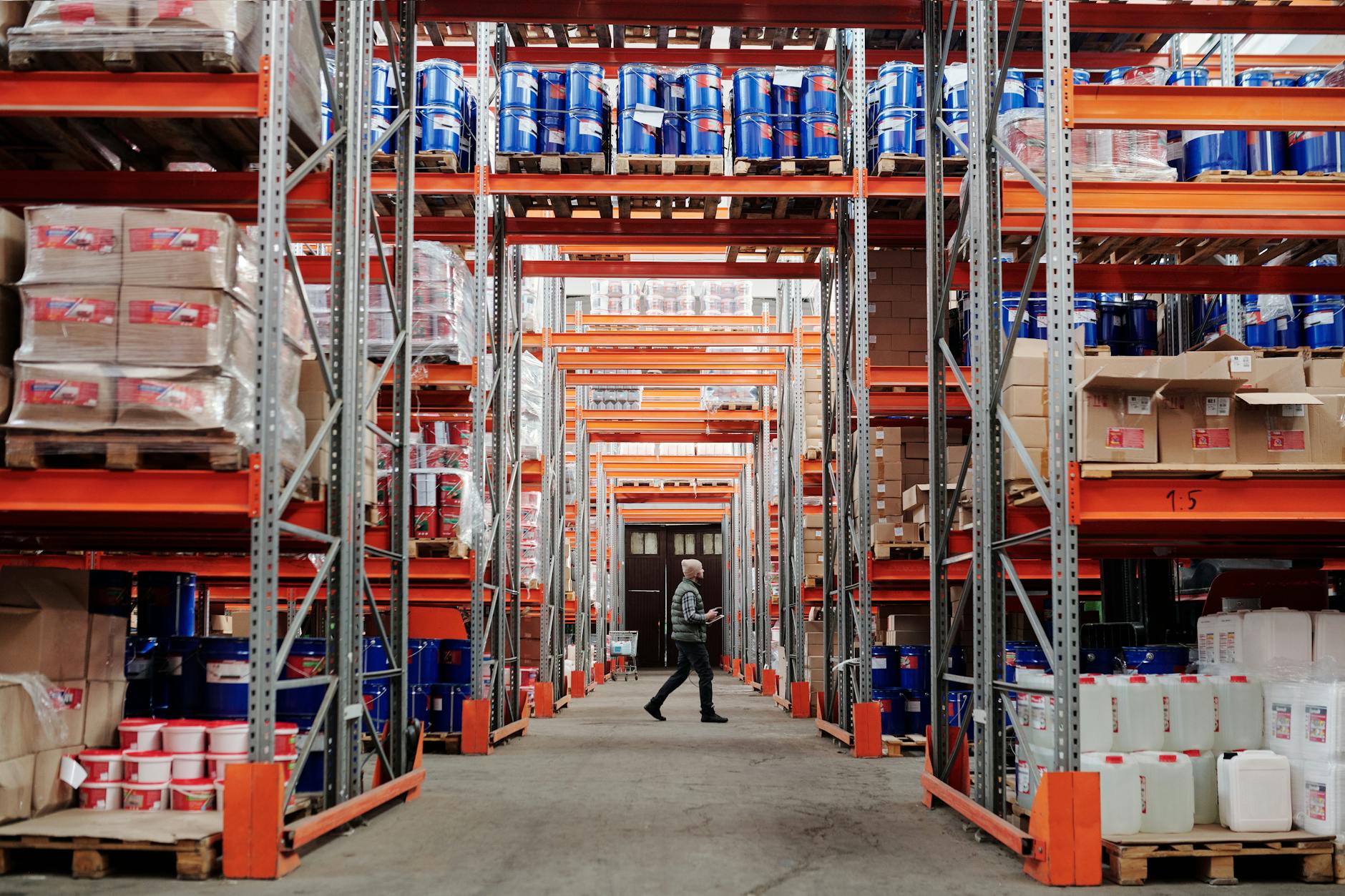
This national distribution centre distributed food and beverage supplies to over 25 depots across the country. The requirement was for next day delivery to a number of major pubs and restaurant chains. Service levels were continually not being met, and the client was being threatened that contracts would be cancelled. The operation consisted of separate ambient, fresh, and frozen chambers, with various different issues and challenges.
A dynamic forecasting and scheduling tool was developed and installed to ensure correct manning at all times during the 24-hour operating window. The layout of each chamber was optimised to improve throughput, and staff underwent specialised training to improve skills flexibility and pick accuracy. Stock levels were continually optimised to ensure that final customer requirements could be achieved.
This combination of new tools and processes ensured that time critical deliveries across the country were consistently achieved to the satisfaction of the end customers.
Overall customer service levels improved to levels of 99.6% and the project saved over £700,000 p.a. Due to the success of the project, the tools and training were then rolled out to all the clients depots in a subsequent project.

TESTIMONIAL – Major UK Confectionery Manufacturer
I had the pleasure of working with Rick Hart during his time supporting the engineering function at a major UK confectionery producer. Rick brought a clear and structured approach that had a significant and lasting impact on our team and the way we operated.
Through careful analysis of engineering data and shift performance, Rick was able to highlight and reduce wasted time, allowing us to reallocate resources more effectively and ensure workloads were achievable within the available hours. This was particularly valuable in a fast-paced confectionery environment, where production demands and reactive work can often overwhelm planned maintenance.
Rick helped us drive improvements in our PPM (Planned Preventative Maintenance) compliance by ensuring that tasks were realistic, properly scheduled, and completed to standard. He also introduced a “right first time” culture, using SMART goals that gave each engineer clear direction and ownership of their tasks. This not only improved the quality of work but also enhanced team morale and accountability.
Importantly, Rick and his team didn’t just focus on engineering—they supported production needs, aligning engineering resources to minimise downtime and maintain output across the site.
I would happily recommend Rick Hart and The Pragmatical Partnership to any manufacturing business, especially those in food or confectionery, looking to improve operational performance through practical, cost-effective and in my case engineering leadership.
The Engineering Manager
